How Aging Affects the Retina
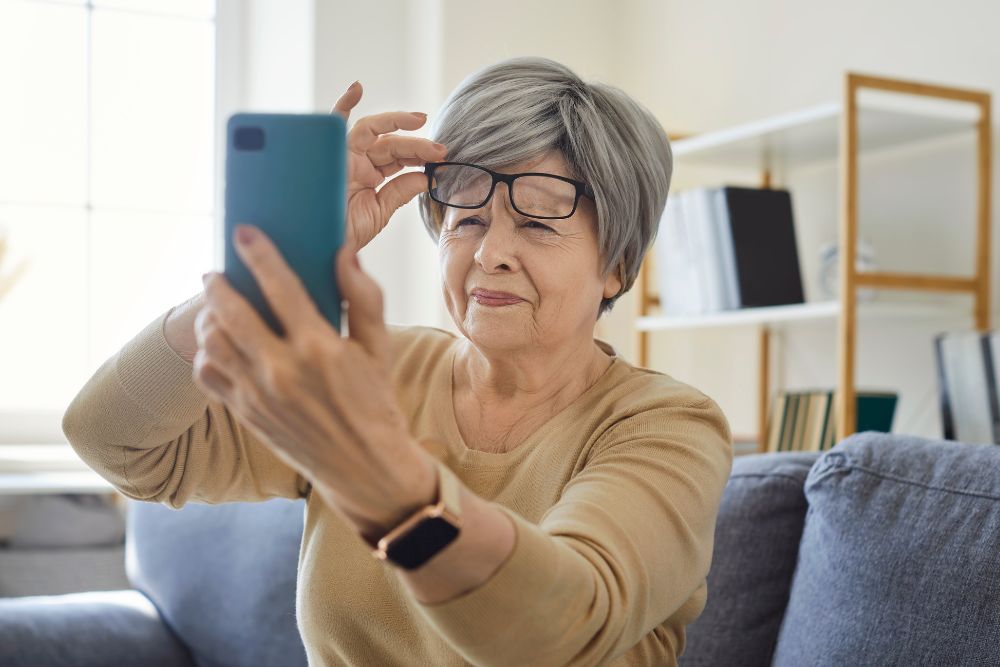
Like the rest of the body, your retina changes with age, and some of those changes raise the risk for conditions that can affect vision. Understanding how aging impacts the retina can help you spot problems early and take proactive steps to protect your long-term vision.
What Happens to the Retina as You Age?
The retina is a thin layer of tissue at the back of the eye that captures light and sends visual information to the brain, allowing you to see. As we age, several structural and physiological changes can make the retina more vulnerable to damage that can impair vision.
To make vision possible, the retina contains photoreceptors, light-sensing cells that require a consistent supply of blood to function properly. In older adults, blood flow to the retina declines, as the small arteries that nourish the tissue become less able to expand and contract the way they do in younger eyes. This limits how efficiently oxygen and nutrients reach the photoreceptors, which can compromise cellular function and eventually lead to cell death and retinal thinning.
Adequate blood flow is also necessary for the other kinds of cells and tissues that support retinal function, including the retinal pigment epithelium (RPE), a layer of cells that help clear cellular waste. As blood flow decreases, the RPE cells cannot work as efficiently, allowing waste to accumulate and form drusen, which are small deposits of cellular debris. Over time, the lack of appropriate blood flow can also cause RPE cells to deteriorate and die, triggering inflammation linked to disease progression.
Other parts of the eye also undergo shifts that can impact the retina. For example, the vitreous, the gel that fills the center of the eye and gives it shape, starts firmly attached to the retina. As we age, parts of the vitreous begin to liquefy and lose gel-like consistency. This process causes the vitreous to separate from the retina. In some cases, parts of the vitreous stay attached to the retina while the rest pulls away, creating tension that tugs at the retina and causes a tear.
These age-related changes do not mean that vision loss is inevitable. However, they help explain why certain conditions develop.
Common Age-Related Retinal Conditions
Age-Related Macular Degeneration (AMD)
Age-related macular degeneration (AMD) is one of the most common causes of vision loss in older adults. It affects the macula, the central portion of the retina responsible for sharp, detailed vision needed for activities such as reading, driving, and recognizing faces.
As described above, aging can reduce the efficiency of the retinal pigment epithelium (RPE), allowing waste products to accumulate beneath the retina. These deposits, known as drusen, are often one of the earliest signs of AMD. Over time, this buildup, along with chronic inflammation, damages the retinal cells and impairs central vision.
Posterior Vitreous Detachment (PVD)
When the vitreous gel naturally separates from the retina, it is referred to as posterior vitreous detachment (PVD). Typically, PVD does not damage the retina or threaten vision. Patients may experience floaters or flashes of light, which become less noticeable over time. When the vitreous detaches unevenly, however, complications may arise.
Retinal Tears and Retinal Detachment
Retinal tears and detachment in older adults typically related to PVD complications. When the vitreous pulls hard enough to tear the retina, fluid can pass through and cause the retina to detach completely.
Why Routine Dilated Eye Exams Matter
Many of the changes that lead to disease and injury progress slowly, without noticeable symptoms. By the time symptoms appear, most retinal conditions have significantly advanced and pose a greater threat to vision. Regular dilated eye exams allow specialists to evaluate the retina and catch these changes early, while they're easier to treat.
Adults over 60 are generally advised to have a dilated exam every one to two years, though your doctor may recommend more frequent visits depending on your individual risk factors.
When to Seek Prompt Evaluation
If you have already noticed changes in your vision, seek care as soon as possible, especially if you have experienced:
- A sudden increase in floaters
- Flashes of light
- Distorted or blurred central vision
- A curtain or shadow in your field of vision
- Any sudden or unexplained change in vision
Recognizing symptoms and seeking care quickly can significantly improve the odds of preventing permanent damage and preserving vision.
Supporting Long-Term Eye Health
Although aging is not preventable, certain lifestyle choices can help support the health of your retina and may reduce the risk of vision-threatening eye disease.
Habits that promote long-term eye health include:
- Managing chronic conditions such as diabetes, high blood pressure, and high cholesterol
- Not smoking or quitting if you currently smoke
- Eating a balanced diet rich in leafy greens, colorful fruits and vegetables, and omega-3 fatty acids
- Staying physically active to support healthy circulation
- Wearing sunglasses that block ultraviolet (UV) rays when outdoors
- Keeping up with routine eye examinations as recommended by your eye care provider
Expert Retinal Care in Indiana
Retinal changes are a normal part of getting older, but they don't have to impact your quality of life. At Associated Vitreoretinal and Uveitis Consultants, our retina specialists use advanced diagnostic technology to identify retinal conditions as early as possible and develop treatment plans tailored to your needs. If you've noticed changes in your vision or it's time for your routine dilated eye exam, schedule an appointment at one of our convenient locations and take your first step towards protecting your sight.