
The Difference Between General Eye Care and Specialty Retina Care
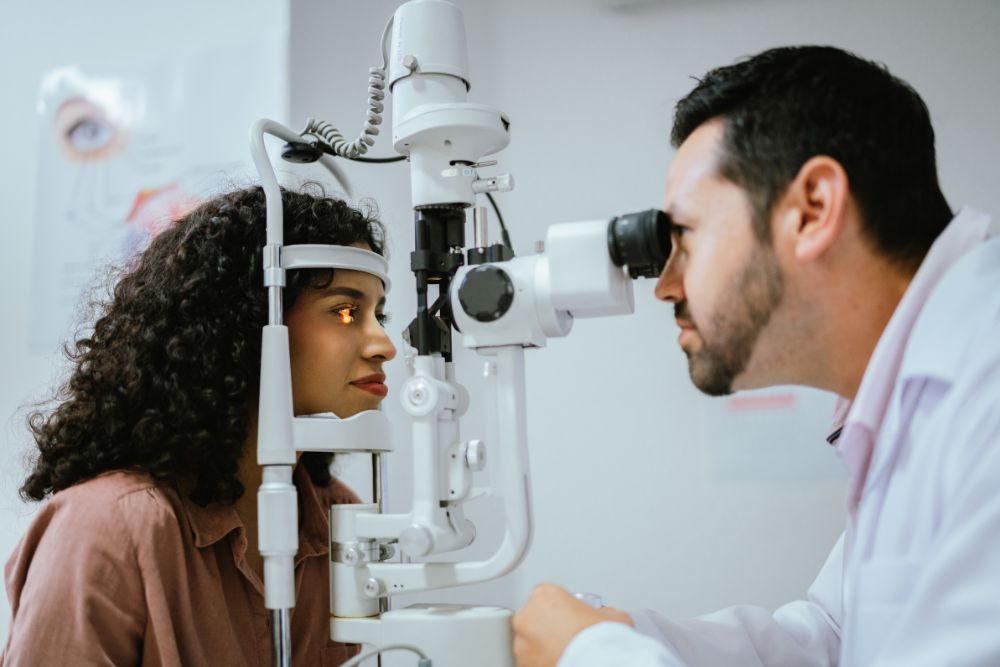
Many of us are familiar with visiting the eye doctor for our annual vision check-up and glasses prescriptions. However, there are different types of eye doctors, and it can be confusing to know which one to turn to for specific questions or conditions. Understanding the roles of optometrists, general ophthalmologists, and retina specialists can help ensure you get the care you need quickly, protecting and preserving your vision.
The Different Types of Eye Care Professionals
There are three main types of eye doctors: optometrists, general ophthalmologists, and retina specialists. Each addresses different needs.
- Optometrists: These are the doctors we visit for routine eye exams and for prescriptions for glasses and contact lenses.
- General ophthalmologists: These medical doctors provide comprehensive care for a variety of eye conditions. They perform medical and surgical treatments for issues such as cataracts, chronic eye diseases, and other serious eye conditions.
- Retina specialists: These are ophthalmologists who have completed additional training to diagnose and treat complex vitreoretinal disorders, such as age-related macular degeneration (AMD) and retinal detachments.
In addition to medical school, internship, and residency, retina specialists must also complete a 2-year vitreoretinal fellowship focusing on medical and surgical retina care, totaling at least 10 years post-undergrad. This extensive training allows them to diagnose and treat complex conditions like age-related macular degeneration (AMD), diabetic retinopathy, and retinal detachment.
Collaboration Results in the Best Care
Eye care professionals work together to help patients achieve the best outcomes. Typically, your primary eye doctor or optometrist will identify a potential retinal issue and refer you to a retina specialist. However, a referral doesn't always indicate that something is wrong. You may also be referred to a retina specialist if you have certain risk factors for retinal issues, such as being over 50 or having a pre-existing condition that can affect retinal health, like diabetes.
When you visit the retina specialist, they'll keep in contact with your referring doctor, who will continue to provide your routine care. This partnership ensures that all aspects of your eye health are addressed, from general exams to specialized diagnostics and treatments.
Prioritizing Your Eye Health with Comprehensive Support
A well-rounded team of eye-care professionals is essential for maintaining eye health and protecting vision. At Associated Vitreoretinal and Uveitis Consultants, we offer advanced treatments for a wide range of retinal conditions and collaborate with other eye-care professionals to ensure the best outcomes for our patients. Contact us today for more information or to schedule an appointment in Avon, Bloomington, Carmel, or Muncie.