What Is an Eye Stroke? Understanding Retinal Artery Occlusion
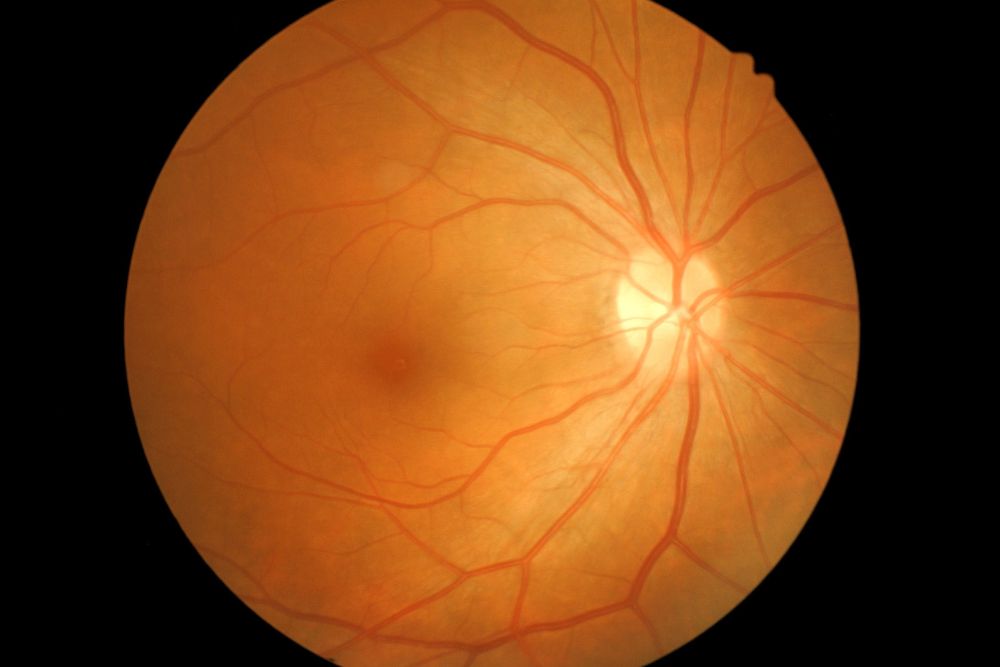
Did you know that strokes can also occur in the eye? A retinal artery occlusion (RAO), commonly known as an eye stroke, happens when a blood clot or plaque blocks the artery that supplies blood to the retina. This blockage can lead to damage from a lack of oxygen and nutrients, resulting in sudden vision loss, often in one eye.
Recognizing the symptoms of RAO and seeking emergency medical care immediately is essential because permanent vision loss and other serious complications can occur.
What Exactly Happens During an Eye Stroke
The retina is the light-sensitive tissue at the back of the eye that depends on a steady supply of oxygen-rich blood to function properly. Retinal artery occlusion occurs when blood flow through an artery supplying the retina becomes blocked, often by a blood clot or a piece of cholesterol plaque.
When the retina is deprived of oxygen, its cells can become damaged very quickly, leading to sudden vision loss. Depending on which artery is affected, vision loss may involve most of the vision in one eye or only part of the visual field.
Recognizing the Symptoms
One of the most common signs of retinal artery occlusion is sudden, painless vision loss in one eye. This can manifest as a complete blackout or a vision change that resembles a curtain descending over your field of view.
Sudden, painless vision loss in one eye is a medical emergency, even if the vision change is temporary or resolves on its own. If you experience these symptoms, call 911 or seek immediate evaluation at an emergency department with stroke care capabilities. Retinal artery occlusion can be associated with an increased risk of stroke in the brain, making prompt evaluation essential.
Does an Eye Stroke Increase Your Risk of a Brain Stroke?
Retinal artery occlusion can be a warning sign of underlying vascular problems that also increase the risk of stroke in the brain. In some cases, the same conditions that cause a blockage in a retinal artery, such as carotid artery disease or heart rhythm disorders, can also lead to a cerebral stroke.
Because the risk of a cerebral stroke is particularly concerning in the days following an RAO, immediate evaluation at an emergency department with stroke care capabilities is essential. This allows doctors to investigate the cause of the blockage and identify ways to reduce the risk of future strokes.
Understanding the Risk Factors
Certain vascular risk factors can increase the likelihood of experiencing an eye stroke, including:
- High blood pressure: Elevated blood pressure can cause damage to blood vessels, increasing the risk of blockages.
- Diabetes: This condition affects blood flow throughout the body, including the eyes, and may lead to retinal damage over time.
- High cholesterol: Excessive cholesterol can contribute to plaque build-up in blood vessels, restricting blood flow.
- Cardiovascular disease: A history of cardiovascular problems often correlates with vascular issues, including those affecting the eyes.
Understanding these risk factors is essential for taking preventive measures. Regular check-ups and conversations with your doctor about your risks and potential lifestyle changes can help you protect your sight.
The Importance of Coordinated Care
Because retinal artery occlusion can be associated with serious cardiovascular conditions, patients need urgent medical evaluation to identify potential sources of the blockage and assess their risk of stroke. This may involve a stroke care team, a retina specialist, a cardiologist, and a primary care provider. Following the initial evaluation, coordinated care can help manage underlying risk factors and reduce the likelihood of future vascular events.
If you’re at risk for RAO or have questions about the condition, it’s helpful to speak with a retina specialist. At Associated Vitreoretinal and Uveitis Consultants, our experienced team can diagnose and treat the full spectrum of retinal conditions, including retinal artery occlusion. Contact us today for more information or to schedule an appointment in Avon, Bloomington, Carmel, or Muncie.